London Underground for First-Timers: Zones, Oyster, and How to Avoid Common Pitfalls
The London Underground moves eight million people daily, but first-time visitors often overpay, board the wrong train, or block an escalator without realizing it. Most first-timers overpay by 40% because they tap in but forget to tap out—here’s how to avoid that. The world’s first underground railway system, operational since 1863, can feel overwhelming when you arrive with luggage and jet lag. Tap in and out with the same card, stand right on escalators, and know your zones before boarding.
Understanding the Zone System and What It Means for Your Fare
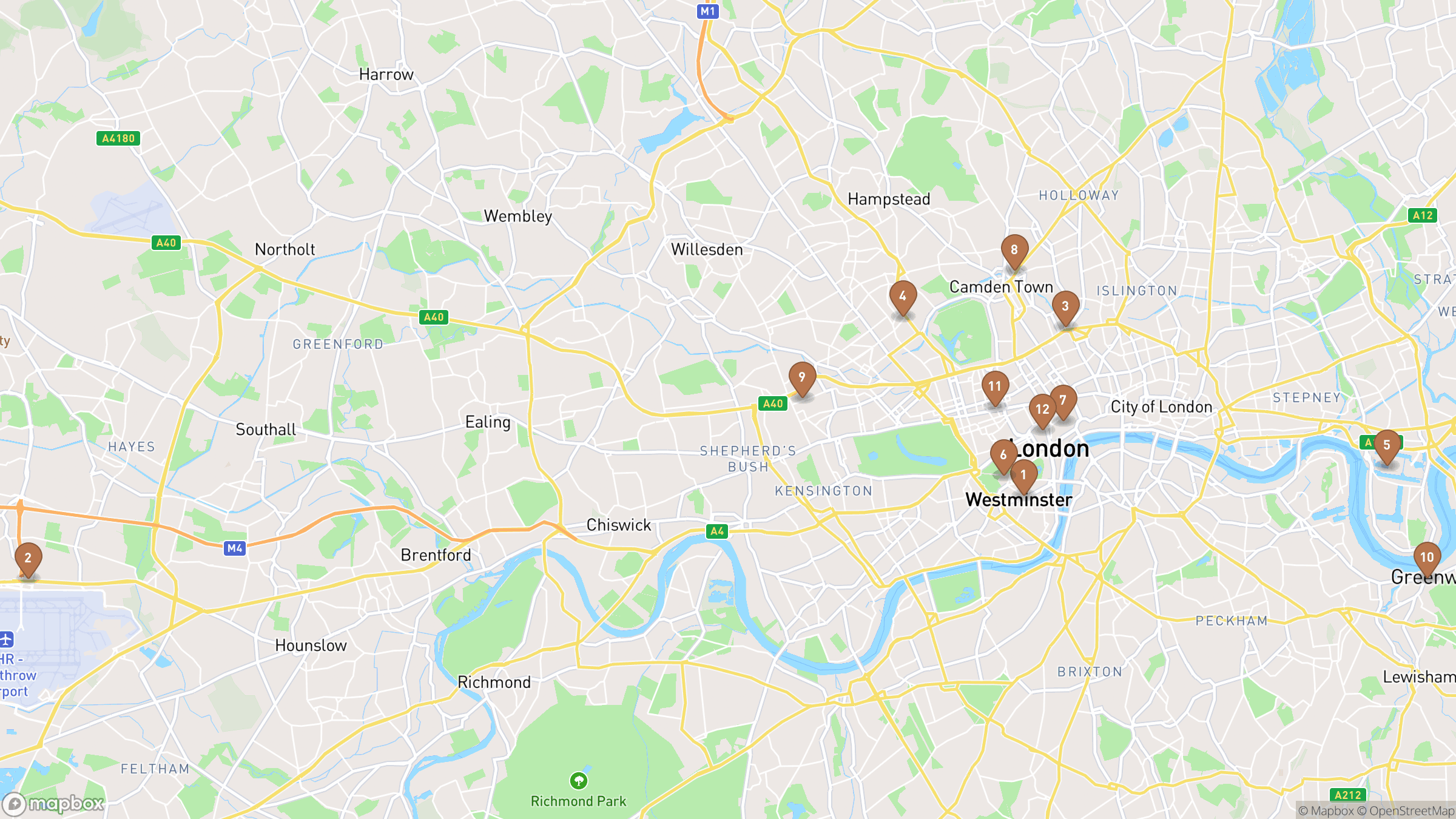
Central London attractions sit almost entirely in Zone 1, making it the most-traveled zone for visitors. The Tower of London, British Museum, Westminster Abbey, and most major theaters fall within this central area. Fares increase as you cross more zones, so knowing your hotel’s zone helps you estimate daily transport costs before you arrive. If your accommodation sits in Zone 3 while your daily plans focus on Zone 1, you will pay more per journey than someone staying centrally.
 Image by TheOtherKev from Pixabay
Zone boundaries appear on every Tube map. Check both your starting point and destination before tapping in so you understand the fare you will trigger. Some journeys touch multiple zones even if you do not exit in them, affecting the fare calculation in ways that surprise first-time users. Transport for London’s fare system charges based on all zones you pass through, not just your entry and exit points.
Weekend or off-peak travel to outer zones can still cost less than central taxis, making the zone system work in your favor once you grasp its logic. A trip to Kew Gardens or Greenwich becomes affordable when you pay attention to zone boundaries and travel times.
Oyster vs. Contactless vs. Paper: Which Payment Option Fits Your Trip
Transport for London allows visitors to use Oyster cards, contactless bank cards, or paper tickets depending on journey type. Skip the Oyster card. Use your contactless card instead—it’s faster, avoids queuing, and applies the same daily cap. Only buy Oyster if you’re staying 7+ days and want physical backup.
Contactless payment from overseas cards works seamlessly but check your bank’s foreign transaction fees first. Some international banks charge conversion fees that negate the convenience of tapping your home credit card.
Both Oyster and contactless apply daily fare caps automatically, preventing you from overpaying across multiple trips. Once you hit the cap amount for your zones, additional journeys that day cost nothing extra.
Paper tickets still exist but offer no flexibility or cost advantage for tourists making several journeys. Single-use paper fares consistently cost more than pay-as-you-go options with automatic capping. If you are planning to explore beyond central London, you can compare different transport passes and access options to see which payment method aligns with your itinerary and budget constraints.
Tap In, Tap Out: Payment Mechanics You Must Get Right
Always tap your card or Oyster at the yellow reader when entering and leaving the station to avoid maximum fares. Forgetting to tap out charges you for the longest possible journey from your entry point, which can triple your expected cost.
At King’s Cross, you tap again when moving between Circle and Metropolitan lines—watch for the yellow reader between platforms. National Rail connections within the Underground network often require an intermediate tap to validate your journey correctly.
Use the same card for tap-in and tap-out on every single journey, or you’ll trigger incomplete journey fees. Switching cards midway confuses the system and triggers incomplete journey penalties.
During 8:15 am, gates jam up—every second counts. Clear the barrier or you’ll have twenty people backed up behind you.
Peak vs. Off-Peak: When to Ride and When to Wait
Weekday morning rush stretches roughly from 7:00 to 8:45 am, while the evening peak runs from 4:30 to 6:45 pm, according to Visit London. Traveling during these windows means packed carriages, slower boarding, and higher stress for luggage-carrying visitors. Avoid the Circle and District lines 8–9 am; they’re nearly unusable with luggage. The Victoria and Jubilee are slower but wider. Off-peak fares may apply depending on your ticket type, offering savings if you can shift your schedule slightly.
Weekend and holiday travel avoids the commuter surge entirely, making sightseeing trips far more comfortable. Saturday and Sunday Underground journeys rarely involve the shoulder-to-shoulder crowding that defines weekday peaks.
TfL Go and Citymapper both color-code line status red (crowded) or green (clear)—switch lines if your preferred route is red. Both apps display current service conditions and suggest less congested alternatives when available.
If your itinerary allows flexibility, scheduling morning museum visits or late-afternoon park walks lets you ride the Tube when carriages empty out after the commuter waves subside.
Escalator Etiquette and Platform Behavior That Locals Expect
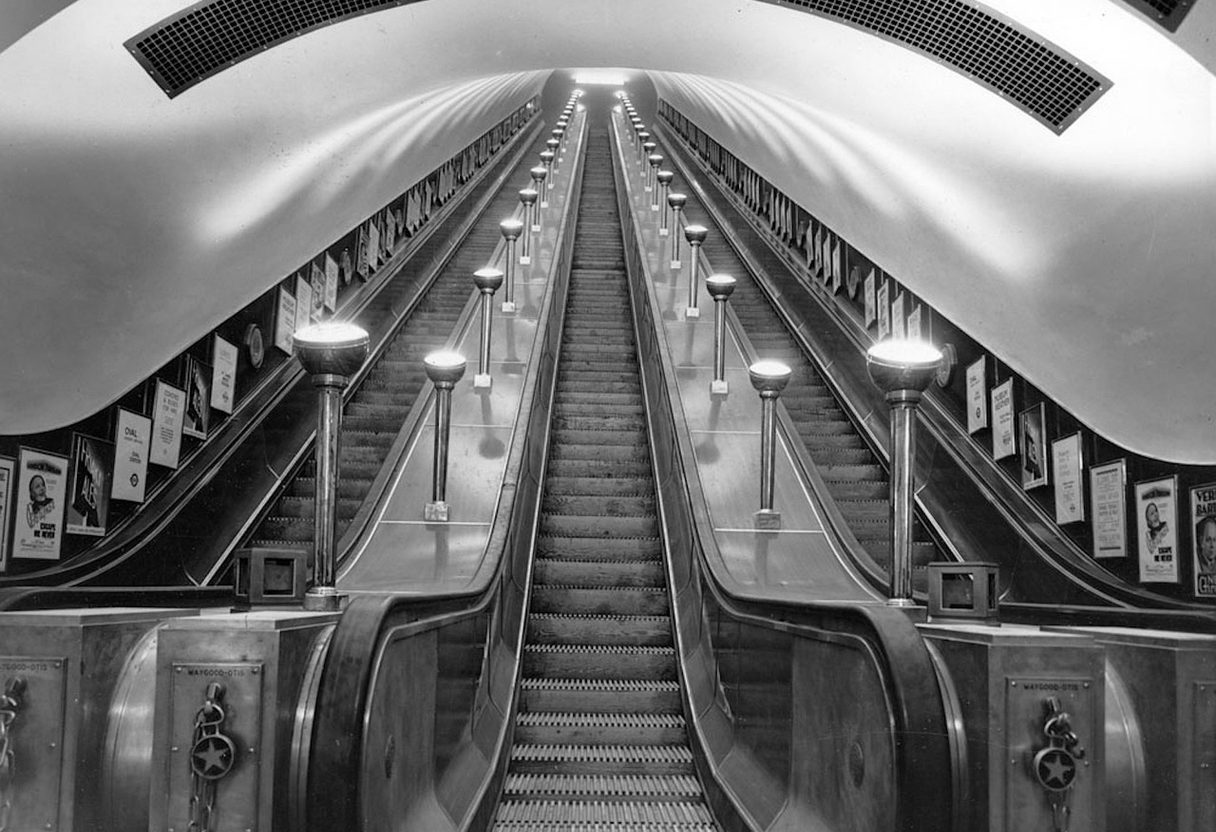
Stand on the right side of escalators so people in a hurry can pass on the left. This rule is non-negotiable in London, and blocking the passing lane draws immediate frustration from commuters. Wait for passengers to exit the train completely before boarding, or you will block the doorway and delay departure. Rushing into a carriage while people are still disembarking creates bottlenecks that ripple through the entire station during busy periods.
Stand behind the yellow line on platforms and mind the gap between train and platform when stepping on or off. At Circle and Metropolitan stations, gaps can be 8+ inches wide. Older platforms aren’t as tightly fitted. Do not lean against doors or poles that others need to hold during crowded journeys. Carriage poles serve as shared handholds, not personal armrests.
Check the front of the train for the destination sign before boarding to confirm you are heading in the correct direction. Some platforms serve trains running opposite directions on parallel tracks, and boarding the wrong train wastes time when you realize your mistake three stops later.
For a full multi-day plan in London, see London in 5 days: a slow-travel approach beyond the checklist.
Service Hours, Night Closures, and What to Do When the Tube Stops
Most lines close by 11:30 pm; plan to exit the Tube by 11 pm or book a night bus or cab home.
Some lines offer Night Tube service on weekends, but coverage is limited and schedules change based on maintenance needs and operational capacity.
Weekend engineering works often close sections of lines, so check Transport for London service updates before traveling. Planned closures are announced in advance, but last-minute disruptions also occur.
Night buses and licensed black cabs provide backup when the Tube shuts down for the evening. In TfL Go, select your line and it will show the replacement N-bus number and schedule for that night. Apps like TfL Go show real-time service status and suggest alternative routes during disruptions, making them essential tools for navigating both planned and unexpected closures.
If you are planning to attend evening events across multiple days, exploring transport options in advance helps you understand which services run late and which areas require taxi or night bus connections after the Tube stops for the night.
For a full multi-day plan in Paris, see Best things to do in Paris in 3 days: a curated itinerary.
Navigating Stations: Signage, Interchanges, and Step-Free Access
Follow “Way Out” signs rather than searching for the word “exit.” This is the standard signage throughout the network, and looking for the wrong term slows your navigation when you are in a hurry. At King’s Cross, Circle to Piccadilly is a 5-minute walk underground. If you have a tight connection, take a taxi instead.
Many older stations like Bank, Covent Garden, and Clapham Common have no lifts. Book those attractions only if you can manage stairs. Raised platform sections at some stations make level boarding easier for wheelchairs and strollers, but these features are not universal across the network.
Don’t drag luggage up the stairs at Bank at 8:30 am—use the Thameslink exit or take a cab. Seven escalators and a steep stairwell will wreck your timeline.
If you are traveling with luggage, look for raised platform areas that can make level boarding easier. These sections align the train floor with the platform surface, eliminating the step that complicates entry and exit with wheeled bags.
Child Travel, Group Discounts, and Other Money-Saving Details
Children under 11 travel free on the Tube when accompanied by a fare-paying adult, according to Transport for London’s child travel rules. Youth Oyster requires a photo application done 5–7 days ahead online. Families arriving without one will pay full adult fares.
Daily fare caps mean you will never pay more than a set amount regardless of how many journeys you take in one day. Once you reach the cap, additional trips become free, making the Tube economical for full days of sightseeing across multiple zones. No official group discount exists for tourists, but splitting costs across Oyster top-ups can simplify budgeting when traveling with friends or family.
Daily fare caps mean you will never pay more than a set amount regardless of how many journeys you take in one day.
Compare the cost of pay-as-you-go caps versus multi-day Travelcards based on your exact itinerary before committing to one option. The general rule is that pay-as-you-go with contactless or Oyster offers better value for most short visits. Travelcards become attractive only when your daily travel patterns consistently exceed the fare cap thresholds.
Tap in and out every time with one card, stand right on escalators, and check TfL service alerts before leaving your hotel. That’s 90% of avoiding amateur mistakes.
Transport for London’s network extends far beyond the famous Tube map, incorporating Overground lines, river buses, and cable cars that many first-time visitors overlook. Wikivoyage’s London guide highlights lesser-known transport connections that can save time when traveling between neighborhoods not directly linked by Underground lines. The integration of all these services under one contactless payment system makes exploring outer boroughs surprisingly straightforward once you understand the basics.
The Underground’s iconic roundel symbol and tiled station designs reflect more than a century of continuous evolution, with the system expanding from its original Metropolitan Railway route to today’s 270+ stations. According to Britannica, the Tube pioneered electric traction and deep-level tunneling techniques that influenced subway systems worldwide. This historical context explains why station layouts vary dramatically—Victorian-era stations feature different designs than those built during the 1930s expansion or the recent Elizabeth Line additions.
For comprehensive trip planning beyond the basics covered here, Visit London’s official transport resources provide real-time service updates, accessibility information, and suggested itineraries that account for transport connections between major attractions. Understanding that the Underground operates as part of a larger integrated network helps visitors make smarter routing decisions and avoid unnecessary backtracking through central zones.