How to Navigate Paris Metro and RER Like a Local
Paris’s rail network moves millions daily, but visitors often board the wrong train or buy invalid tickets. The difference between confident navigation and confusion comes down to understanding direction logic, fare rules, and platform tactics. This guide reveals the operational principles that separate seasoned travelers from those studying station maps in bewilderment.
The city’s underground system operates on clear patterns once you learn to read the signs and understand the relationship between numbered Métro lines and lettered RER routes. Board the wrong RER A branch and you’ll end up in Marne-la-Vallée instead of Versailles, losing an hour.
Understanding the Metro vs RER System Structure
The Métro’s 16 numbered lines stay within city limits. Use it for trips under 30 minutes; anything longer should route via RER.
The RER connects central Paris to suburbs, airports, and regional destinations using lettered lines (A through E) with different fare zones. While Métro lines keep you within the city, RER trains cover longer distances and reach places like Charles de Gaulle Airport, Disneyland Paris, and Versailles. Find your direction by reading the line’s end station on the platform sign.
The key difference lies in fare structure: Métro tickets cover all city stations within Paris proper, while RER requires zone-specific tickets for trips beyond central Paris. Both systems share some central stations, allowing transfers, but operate under different scheduling and route logic. RER suburban tickets now cost more than Métro tickets; always confirm fare before buying, or you’ll be rejected at the exit gate.
Métro lines are identified by number and terminal station names; RER lines use letter designation plus branch destinations. RER A’s Marne-la-Vallée and Saint-Germain-en-Laye branches split at La Défense; boarding the wrong one sends you 45 minutes out of your way.
Reading Line Numbers, Directions, and Platform Signs
Every Métro line displays its number and the name of both terminal stations. Choose your direction by identifying which terminal lies beyond your destination. If you’re at Châtelet heading to République on Line 11, you board the train marked “Mairie des Lilas” because that terminus sits past République in that direction.
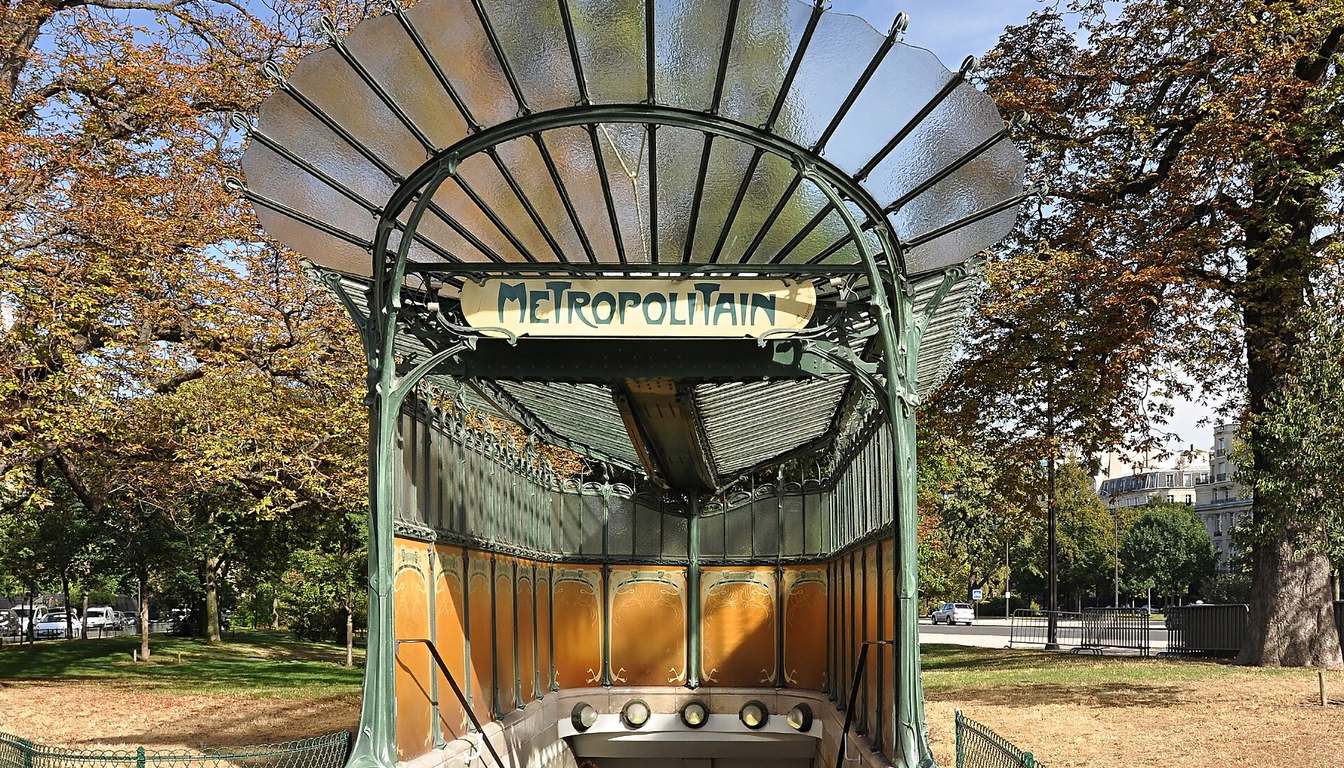
 Image by herryway from Pixabay
Platform signs show the line number and direction terminal in large letters. Double-check before boarding because trains on opposite platforms serve opposite directions. A moment spent confirming the sign saves ten minutes of backtracking after realizing you’re headed toward Porte Dauphine instead of Nation.
Métro stations use blue-and-white “sortie” signs for exits and orange “correspondance” signs for transfers. Orange corridors lead to connecting lines; following the wrong color means surfacing on the street when you intended to switch trains. Write down three things before boarding: line number, direction terminal, and your stop.
Some stations have multiple exits serving different streets or neighborhoods. The neighborhood map near the sortie helps you choose the best exit for your destination. Exiting at the wrong sortie in a large station like Gare du Nord can add five minutes of surface walking.
When planning a visit to major attractions like the Louvre, note which Métro stop puts you closest to the specific entrance you need.
For a full multi-day plan in Rome, see First-time visitor’s guide to Rome in 4 days.
Ticket Types, Validation, and Common Fare Mistakes
Check your ticket type before you board: Métro tickets don’t cover RER suburban zones, and bus tickets don’t work underground.
Always keep your ticket until you fully exit the system. You won’t know you need your ticket until an inspector boards mid-journey. Getting caught without it costs €50–€100, even if you paid initially.
Stay in Zone 1–2 for free transfers; if you cross into Zone 3 (like toward Versailles), you’ll need a new ticket, or inspectors will fine you.
For multi-day visits, reloadable passes offer convenience. A Navigo Découverte card can be purchased at metro station counters and topped up with weekly or monthly passes. The card itself carries a one-time fee and requires a passport photo, but eliminates the need to purchase individual tickets for each journey.
Check route and exact stops in a transit app before entering the station, especially for airport or suburban RER trips that may require different fare products. Confirming the exact RER branch prevents arriving at the wrong terminus after an hour-long suburban journey.
Mastering Transfers and Navigating Interchange Stations
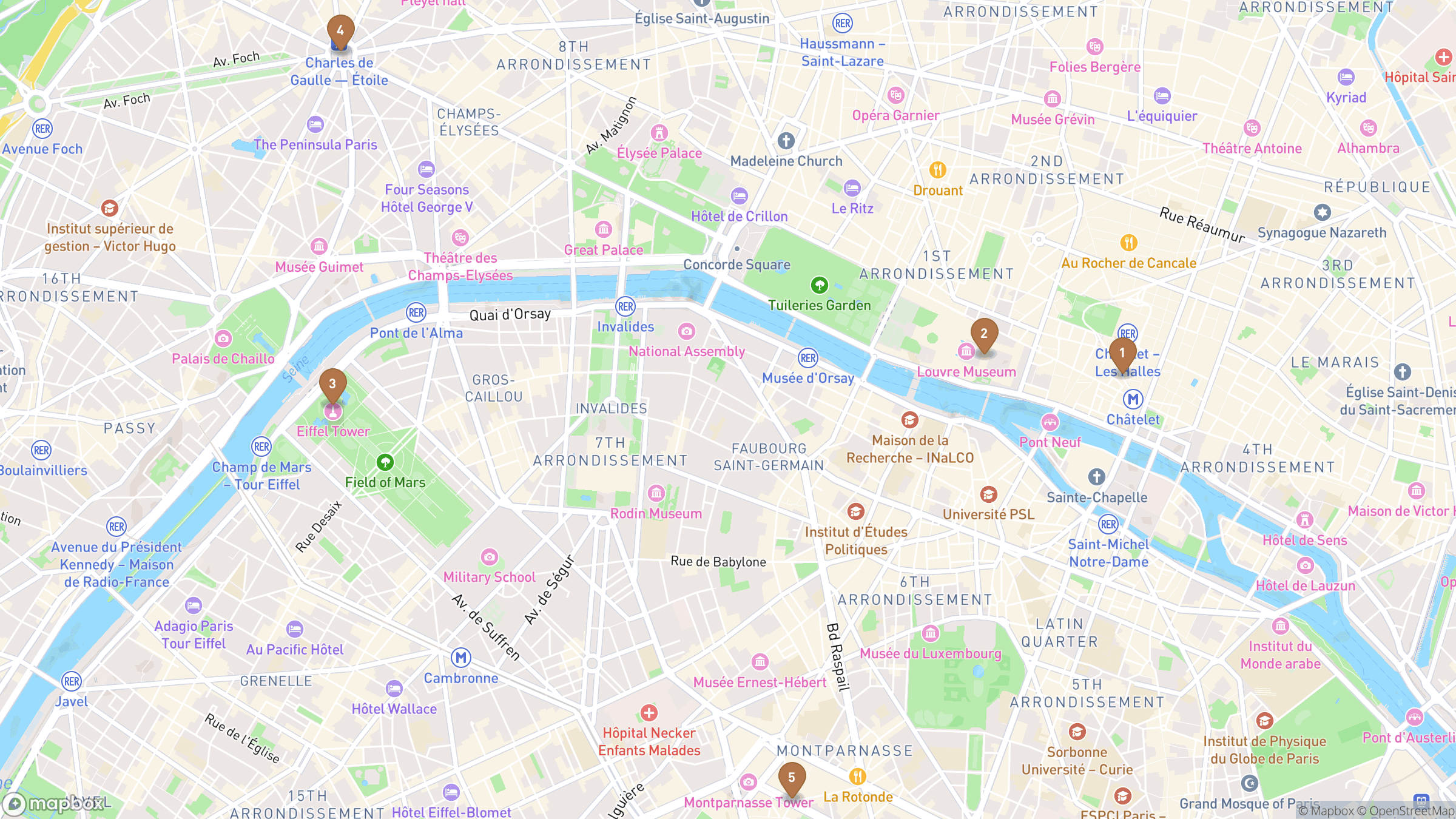
Plan for walking inside transfer stations. Some interchanges require long corridors and multiple escalators between connecting lines. Châtelet-Les Halles, the system’s largest interchange, can demand ten minutes of walking between certain platform pairs.
Follow orange “correspondance” signs and the line number/direction of your next train. In Châtelet-Les Halles, orange signs for Line 4 appear in three separate corridors; if you miss the first, backtrack—don’t guess.
Plan 10 minutes for transfers at Châtelet-Les Halles. Missing a corridor in a rush is how tourists board the wrong line.
Use the neighborhood map posted near exits to orient yourself when surfacing. Some stations serve multiple streets or quartiers, and emerging from the wrong sortie can add unexpected surface walking to your trip. The posted maps show surrounding streets and landmarks, helping you choose the exit that minimizes above-ground navigation.
Move toward the correct transfer corridor before the train stops to reduce congestion and avoid blocking boarding passengers. Positioning yourself near the appropriate doors as the train approaches your interchange saves time and keeps passenger flow smooth during peak periods.
Service Hours, Rush Hour Patterns, and Timing Strategies
Métro service commonly starts around 5:30 a.m. and ends around 1:15 a.m. on weekdays, with extended hours on Friday and Saturday nights. If you’re heading to outer-ring stations late, check your return line’s closing time first—Métro branches to Boulogne or Créteil can close before 1 a.m. on weeknights.
Avoid weekday rush hours when platforms and cars reach peak crowding. Roughly 8:00 to 9:30 a.m. and 5:30 to 7:30 p.m. see the highest passenger volumes, with delays more frequent as trains fill beyond comfortable capacity. Traveling slightly earlier or later improves comfort and reliability.
Leave for the airport during 7–9 a.m. or 4–6 p.m. rush hour, when RER A runs every 5 minutes; midday departures wait 20 minutes for trains.
Last-train times vary by line and station. Verify your return route in a transit app if traveling late to avoid being stranded without service. Some outer stations see their final trains well before 1:00 a.m., and the RER network often closes earlier than the urban Métro.
Weekend and holiday schedules may differ from weekday timetables, especially on RER suburban branches. Confirm service before planning trips on public holidays or Sundays, when frequencies drop and certain routes operate reduced schedules.
Platform Etiquette and Safety Practices
Stand on the right side of escalators. The left lane is kept clear for walking, and blocking it marks you as unfamiliar with local norms. This rule applies throughout Paris public transport and is enforced through social expectation rather than signage.
Pickpockets work platforms at Châtelet and Gare du Nord during boarding. Keep backpacks in front and don’t use your phone at the turnstile.
Wait for exiting passengers to clear before boarding. Pushing onto a train before people exit slows everyone and creates friction with departing riders. The brief pause allows smooth bidirectional flow and prevents bottlenecks at doors.
Move away from doors and toward the center of the car before the train stops. Reducing platform congestion and allowing smooth passenger flow benefits everyone during busy periods, and crowding near exits blocks those trying to board or exit efficiently.
Speaking above normal volume gets you stared at—Parisians will silently judge you and may move seats.
When visiting attractions like the Arc de Triomphe, exiting the Métro calmly and moving away from the platform doors prevents congestion for those transferring behind you.
Common Mistakes Visitors Make and How to Avoid Them
Many travelers assume all Paris tickets are the same. They’re not. A standard Métro ticket fails on RER suburban routes—you’ll be rejected at exit gates.
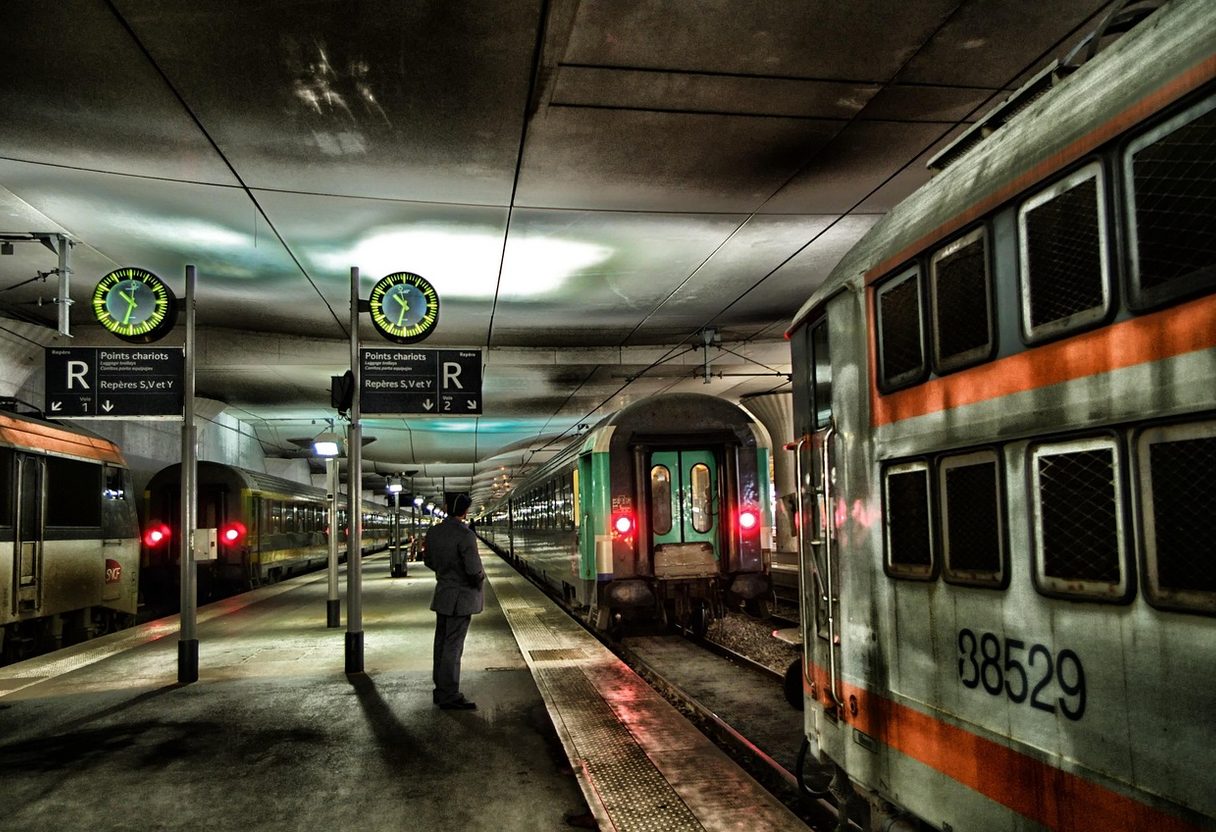
Another misconception holds that the station name alone tells you which train to take. On the Métro, travelers also need the line number and the terminal direction because the same line serves both directions from a single station. Reading the platform sign’s terminal name confirms you’re boarding toward your destination rather than away from it.
Some visitors discard their ticket immediately after entering. Inspectors can board at any point, and lacking proof of payment results in fines regardless of whether you entered legally.
Others assume the Métro always closes at the same time every day, but Friday and Saturday nights run later than weekdays. Planning a late return on Monday using Saturday’s closing time can leave you without service and facing expensive taxi rides.
Use line number, terminal station, and platform signs together to avoid boarding in the wrong direction. Relying on station name alone is the most common navigation error, causing tourists to ride several stops in the wrong direction before realizing their mistake. This simple cross-check saves time and frustration.
When heading to destinations like Disneyland Paris, verify you’re boarding the correct RER A branch, as the line splits into multiple suburban routes.
For a full multi-day plan in Paris, see Best things to do in Paris in 3 days: a curated itinerary.
Apps, Maps, and Real-Time Navigation Tools
Use Citymapper or RATP’s app to see if your RER is delayed before descending to the platform—saves waiting in tunnels.
Check the route and exact stop in a transit app before entering the station, especially for airport connections or unfamiliar RER branches. Confirming the path in advance prevents confusion underground and ensures you board trains that actually stop at your destination.
Offline map functionality is essential because mobile signal can drop in tunnels and deep underground sections. Pre-downloading system maps and routes allows navigation without relying on continuous data connectivity, particularly in older stations with limited cellular coverage.
Paper maps are posted in every station and on platforms. Taking a photo of the system map on your phone creates a quick reference when offline and avoids the need to study wall-mounted maps while blocking passenger flow. The color-coded lines and interchange stations remain consistent across all formats.
Use the neighborhood exit map near the sortie to orient yourself before surfacing. These posted maps show surrounding streets, helping reduce surface-level confusion and unnecessary backtracking once you emerge from the station. Choosing the correct exit in advance streamlines arrival at your final destination.
Master three rules—line number, direction terminal, and platform sign—and the Métro becomes predictable. The numbered lines, direction terminals, and color-coded signs work together to create consistent wayfinding once you learn to read them. Mastering transfers, avoiding common ticket mistakes, and respecting platform etiquette distinguishes travelers who move efficiently from those who struggle at every junction.
Write down your line number and terminal. Keep your ticket. Check the app. Three habits stop 90% of Métro errors. Combined with awareness of service hours and transfer walking times, these practices turn Paris transport into a reliable tool for exploring the city’s neighborhoods, monuments, and districts.
The Paris Métro system, first opened in 1900, has evolved into one of the world’s densest rapid transit networks, with Wikipedia noting that it serves over 300 stations across 16 lines within a relatively compact urban area. This density means that mastering the system pays immediate dividends—nearly every Parisian destination sits within 500 meters of a station. The network’s efficiency stems from its clear directional logic and consistent signage standards, which have remained remarkably stable even as the system expanded throughout the 20th century.
This density means that mastering the system pays immediate dividends—nearly every Parisian destination sits within 500 meters of a station.
For travelers seeking additional navigation resources, Wikivoyage provides detailed transit guides that complement official RATP maps, including practical tips on avoiding tourist bottlenecks during peak hours and identifying which stations offer elevator access. These crowd-sourced insights prove especially valuable when planning routes that involve multiple transfers or trips during strike periods, when line closures force locals and visitors alike to improvise alternative paths through the network.
Understanding the distinction between the Métro and RER ultimately transforms Paris from a confusing maze into a navigable grid. Once you recognize that direction signs reference terminal stations rather than cardinal directions, that fare zones expand concentrically from the city center, and that orange signs always lead to connections, the system’s internal logic becomes intuitive. The principles outlined here—confirming your direction terminal, validating zone-appropriate tickets, and reading platform indicators before boarding—constitute the foundation of local navigation habits developed over decades of daily commutes.